
The HEALING WATER We Lost: The Ancient Science of Balneotherapy

Table of Contents
America walked away from nature's first medicine: water. As we re-awaken to its power, we look to other countries that never let the healing water go ...
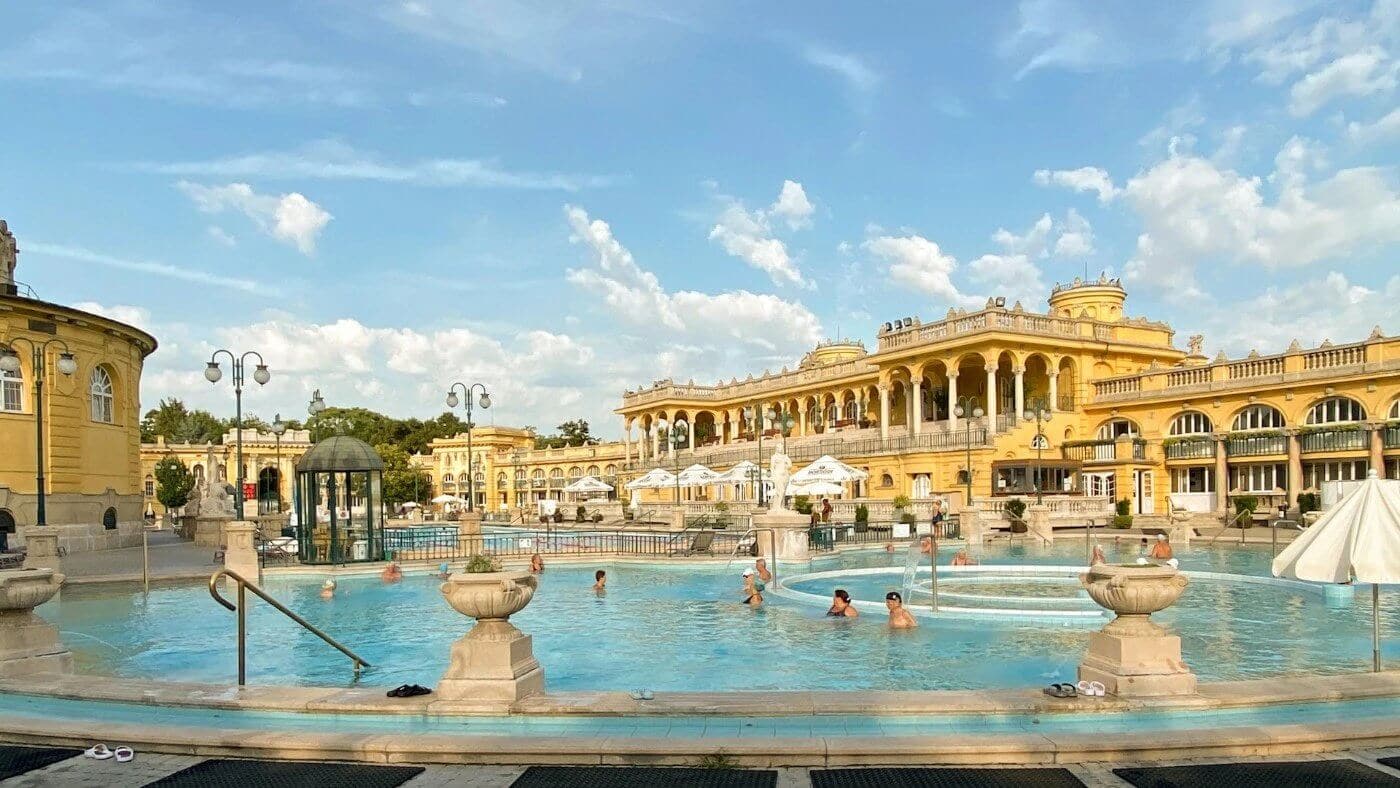
Marta Kovács is 61 years old, a retired school administrator from Budapest, and she has been going to the thermal baths since she was seven. Every Tuesday and Friday morning, she takes the tram to the Lukács Baths, the oldest medically certified balneotherapy spa in the Hungarian capital - she pays the equivalent of five dollars.
Marta slides into water that has been rising from the earth at 42 degrees Celsius for longer than her city has had its current name. Marta does not post spa selfies on social media. Marta simply says ...
"It is just water."Marta says it in the way you might say it is just bread, as something essential, ordinary and widely available. For Marta, the bath manages her lower back pain. Neighbors become acquainted in the cooling room. Something tightly wound in the chest loosens.
It costs less than a pharmacy visit. It requires no insurance. It has been working for her family for four generations. In Hungary, water is not simply a bath - it is medicine - and it is culture and it is community. According to a report in the American National Institutes of Health ...
"Balneotherapy is appreciated as a traditional treatment modality in medicine. Hungary is rich in thermal mineral waters. Balneotherapy has been in extensive use for centuries and its effects have been studied in detail."In America, there is no real medically supervised equivalent in water healing. Hungary is just one of many countries that practice balneotherapy in a medical context.
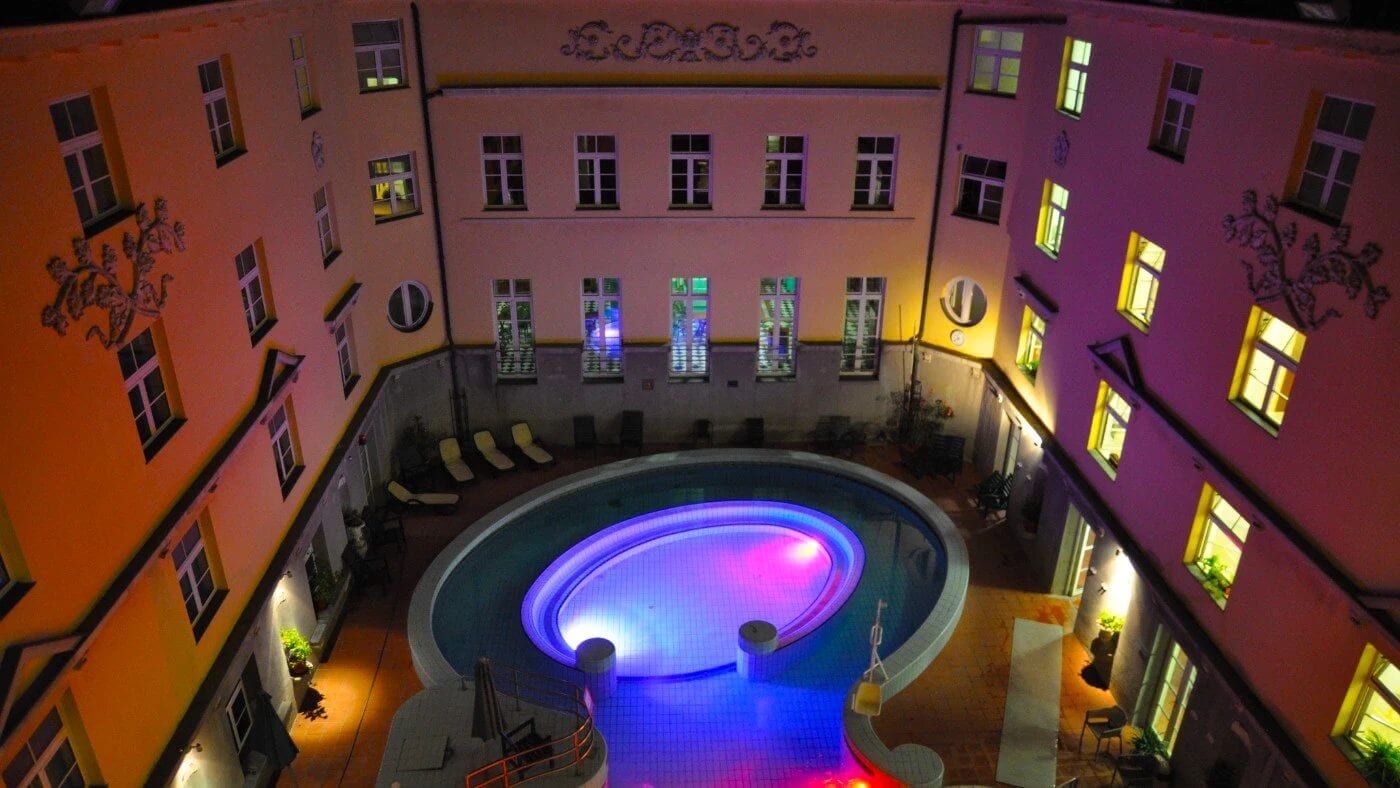 Lukács Baths, Budapest. Open since the 13th century. / Image Credit Wikimedia Commons
However in a recent balneotherapy study in the NIH's National Library Of Medicine the report states ...
"Bathing in water (balneotherapy or spa therapy) has been frequently and widely used in classical medicine as a cure for diseases."This classical medical context for balneotherapy, as a healing tradition, has been hidden from the American medical landscape - ever since the early 1900's - in a big push against alternative therapies - led by the petroleum magnate John D. Rockefeller and later by the American Medical Association. Resulting in a near stranglehold of the western medicine into the allopathic model - and finally that is changing.
Healing Waters Through The Ages
- Water as medicine is not a fringe idea or a wellness trend. It is among the oldest documented therapeutic practices in human history.
- As early as the fourteenth century, the Iroquois nation visited High Rock Spring in Saratoga Springs, NY for its medicinal properties.
- The ancient Greeks and ancient Romans built large-scale public bathing facilities (aka thermae), all across their empires as public health infrastructure.
- The Japanese hot spring tradition, Onsen, is documented in an 8th-century text recording mineral-rich springs healing skin conditions and easing pain.
- The Ottoman Hammam (Turkish Bath) treated steam and heat as a civic right that remained uninterrupted in Turkey from the 16th century through today. These traditions share a common principle: the body is permeable. What surrounds it enters it.
- Across very different cultures, the accumulated evidence of centuries reached the same conclusion: immersion in thermal or mineral water reliably reduces pain, improves circulation, and calms the nervous system.
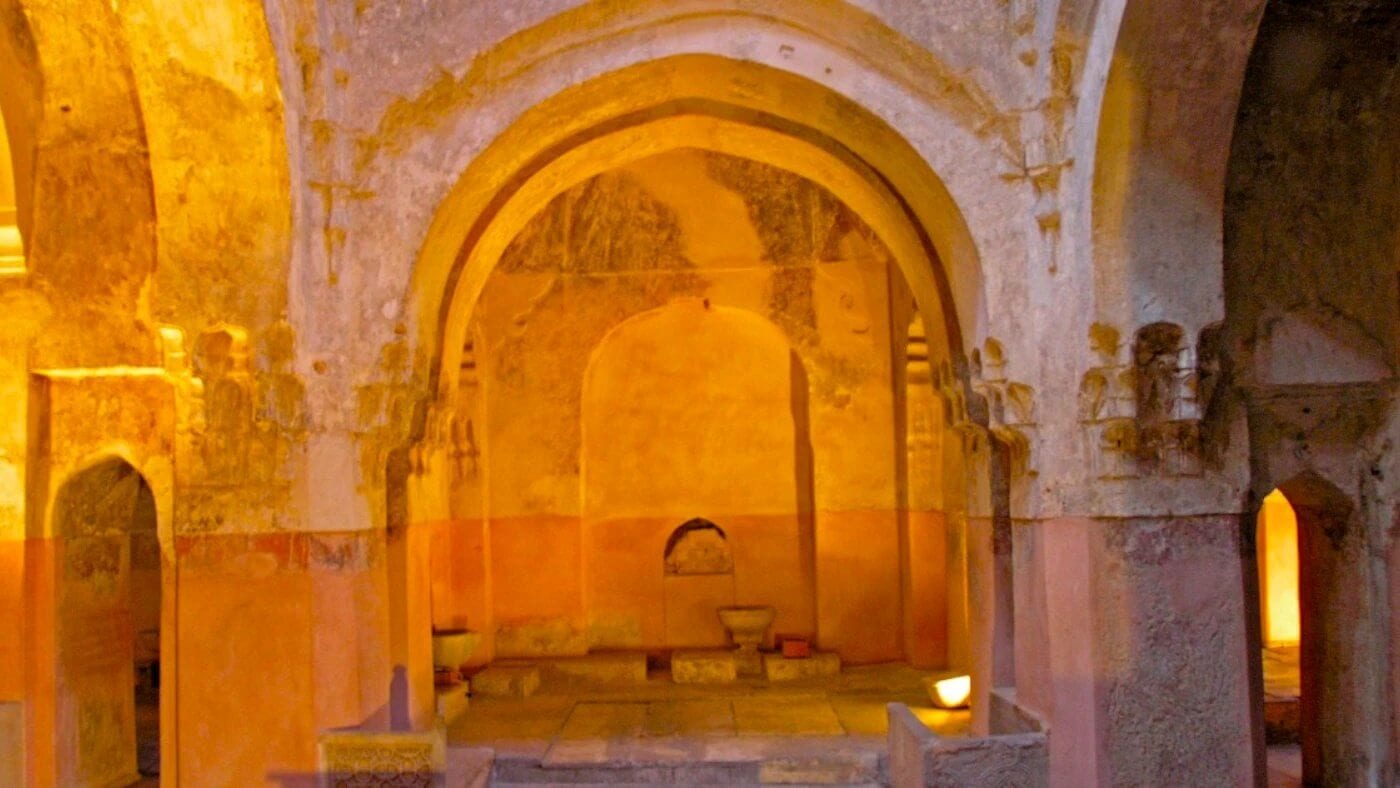 Hot room of the Bey Hamam in Thessaloniki, Greece (Built In 1444) / Wikimedia
What Modern Research Shows
The modern research community has now begun to confirm what traditional practitioners knew intuitively. A 2025 systematic review published in Healthcare examined six clinical studies covering 617 patients using balneotherapy as rehabilitation for post-COVID syndrome (aka long COVID). The study showed a 47% reduction in fatigue and 48% reduction in muscle pain, with improvements sustained across documented follow-up periods.
A 2024 meta-analysis in the International Journal of Biometeorology confirmed that balneotherapy, specifically immersion in heated natural mineral waters at 36–38°C, produced significant reductions in pain, disability, and depression in fibromyalgia patients at one, three, and six months post-treatment. The mechanism involves the synergistic effects of hydrostatic pressure on muscle tone, heat-triggered hormonal responses, and mineral-driven reductions in inflammatory markers.
The Country That Chose Pills
Marta would find the American relationship to water genuinely difficult to explain.
In Hungary, the baths are a thing - socially and medically. The Hungarian government subsidizes balneotherapy treatments for Hungarian citizens. The national health insurance plan covers prescribed visits.
The entry fee for Marta, into Lukács Baths in Budapest, with her medical insurance is equivalent to about $5 USD - it is subsidized by the Hungarian national health insurance plan for prescribed visits. Not bad, not bad.
Is that part of American health plans? Nope. We'll cover the why later in the article. Read on ...
Hungary has approximately 1,300 registered thermal springs, 800 of which are used for medical purposes, and the Hungarian Balneological Society has been conducting research since 1891 — over 130 years of scientific investigation into water's therapeutic effects. Budapest alone has more than 100 medicinal springs. The public baths — Széchenyi, Rudas, Lukács — are not resorts. They are medical infrastructure.
Yup, water as medicine. And there is more H2O health going on ...
Japan also operates similarly, through different cultural and geological specificity. The country has more than 27,000 hot springs, and Onsen culture, an immersive bathing with therapeutic intentm is woven into Japanese national identity.
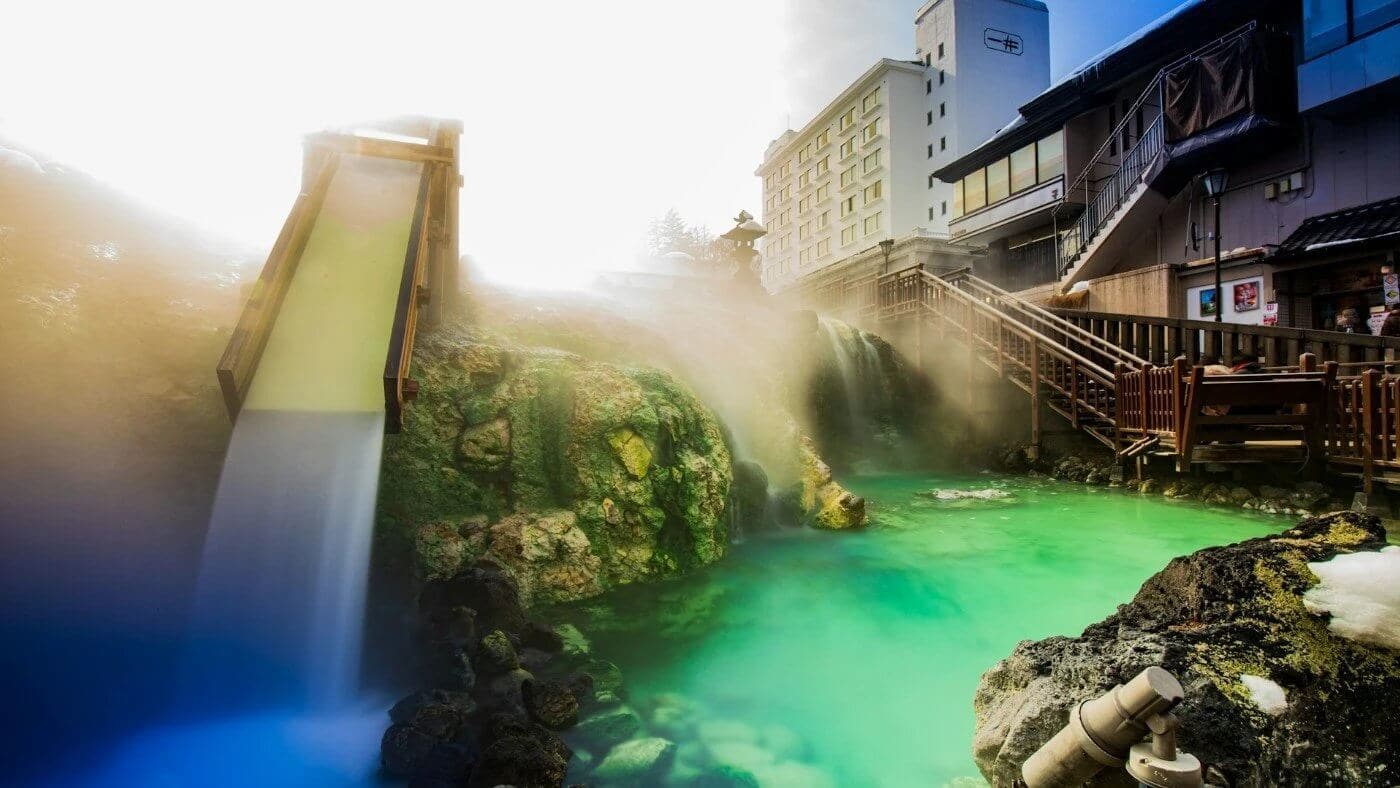 Onsen In Kusatsu Gunma / Image Credit Unsplash
Also, Finland's sauna tradition remains embedded in civic life for millennia, with contemporary research continuing to validate cardiovascular and immune benefits. Turkey's hammam, unbroken since the Ottoman period, moves the body through a complete physiological cycle of steam, heat, exfoliation, and cooling.
HUHT 100 Gallon Insulated Cold Plunge Therapy Tub
$479.00
Experience the transformative power of cold water and cold plunge therapy—now from the comfort of your home with our HUHT Cold Plunge Therapy Tub. Our… read more

In Notes of Nomads, Dr. Yoshifumi Miyazaki, Forest Medicine Researcher, Chiba University Center for Environment, Health and Field Sciences stated ...
"Humans had lived in nature for 5 million years. We were made to fit a natural environment. So we feel stress in an urban area. When we are exposed to nature, our bodies go back to how they should be."That framing, that the environment and the resulting reconnection as medicine, not merely backdrop, is the conceptual leap that allopathic centered American healthcare has never been willing to make. And there is a clear historical explanation for why.
The Campaign That Worked
By 1900, roughly 20 percent of American medical practitioners operated within naturopathic, hydrotherapeutic, or other alternative traditions. These were not fringe practitioners — they served millions of patients, operated licensed schools, and enjoyed bipartisan political support in many states. Hydrotherapy had a serious institutional presence: sanitariums across the country used water therapy as a primary intervention for musculoskeletal pain and nervous exhaustion, with documented clinical results.
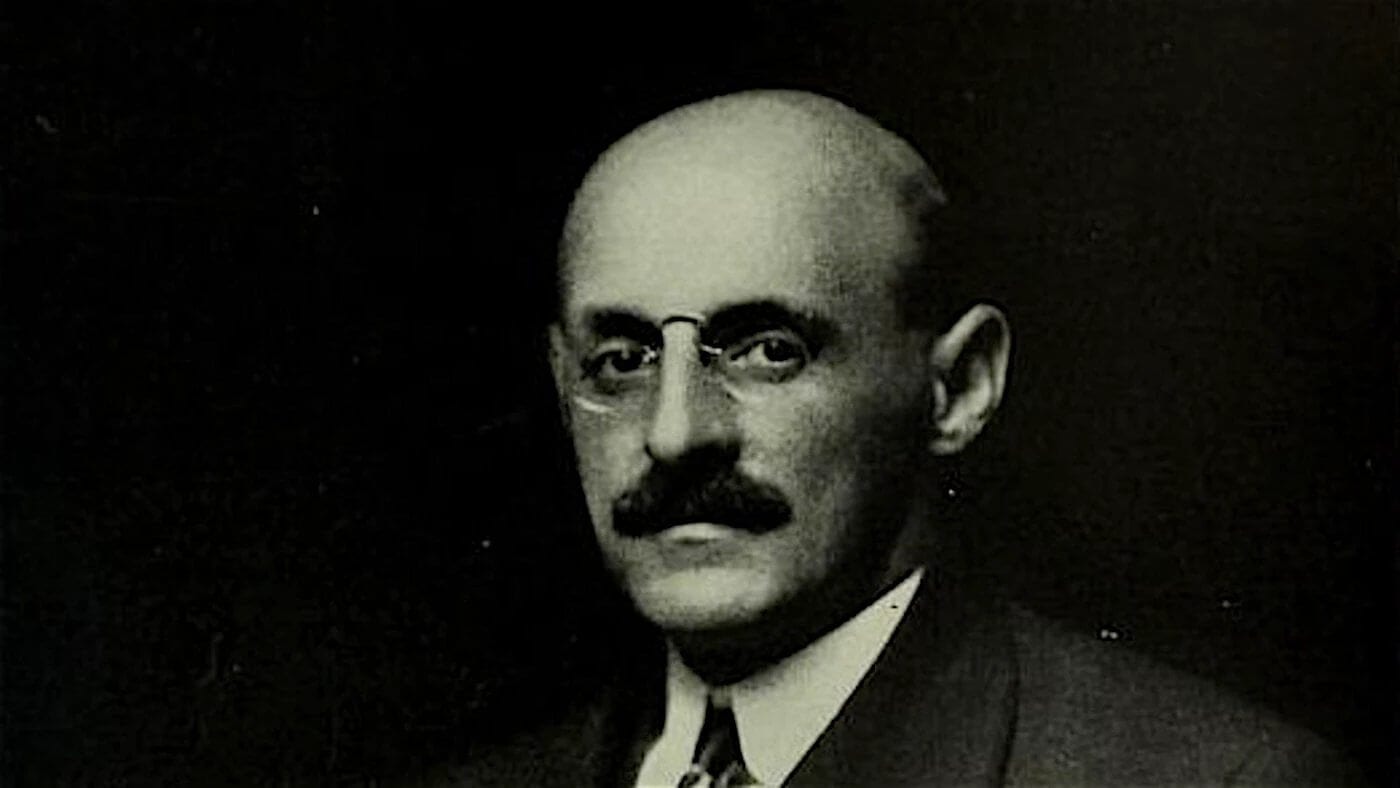 The Flexner Report (1910), authored by Abraham Flexner for the Carnegie Foundation / Image Credit Wikimedia
Then came the work of Abraham Flexner and the 1910 Flexner Report, funded initially by The Carnegie Foundation and supported, soon thereafter, by The Rockefeller Foundation.
What followed was not a scientific disproof. It was a political consolidation.
In the mid-1920s, the editor of the Journal of the American Medical Association made a personal mission of attacking naturopathic physicians, accusing them of quackery. The AMA established committees specifically tasked with containing and eliminating therapeutic alternatives. Its code of ethics went so far as to prohibit member physicians from consulting with practitioners who used alternative remedies — a restriction so severe that, as Paul Starr documents, a Connecticut physician was expelled from his local medical society in 1878 simply for meeting with a homeopath. The campaign accelerated through the 1930s and 1940s, catalysed by the arrival of antibiotics. "Miracle drugs" provided both a genuine scientific advance and a powerful rhetorical weapon. Against penicillin, hydrotherapy looked primitive. The AMA leveraged this perception aggressively, pushing for restrictive medical practice laws and successfully lobbying to repeal naturopathic licensure legislation in multiple states.
Paul Starr, in his Pulitzer Prize winning book The Social Transformation of American Medicine analyzed the shift to consolidation in the U.S. medical system. He stated that the medical profession's power was not inevitable, but a
"long struggle to establish the modern medical profession in the face of other competitors and forces."Balneotherapy was never subjected to the kind of rigorous refutation. It was sidelined through political and economic force during a period of pharmaceutical ascendancy and political consolidation of the allopathic method and the absence of American research investment that followed ensured it would never catch up.
When you defund something long enough, it looks like evidence of failure. But Marta keeps going to Lukács on Tuesdays and Fridays. And the medical practice of balneotherapy conducted largely in Europe and Asia, continues to progress and the evidence of its value as medical treatment accumulate.
Water Fear In The American Landscape
There is a another water story running parallel to the medical one. It is about relationship to water. America's general public has become estranged from healing waters. That separation from water is institutional, it is environmental and the separation is understandable.
"More than 70% of adults in the United States are very or somewhat concerned about their own or their loved ones’ exposure to harmful chemicals in food and drinking water"And there is more fuel on the water trust fire ...
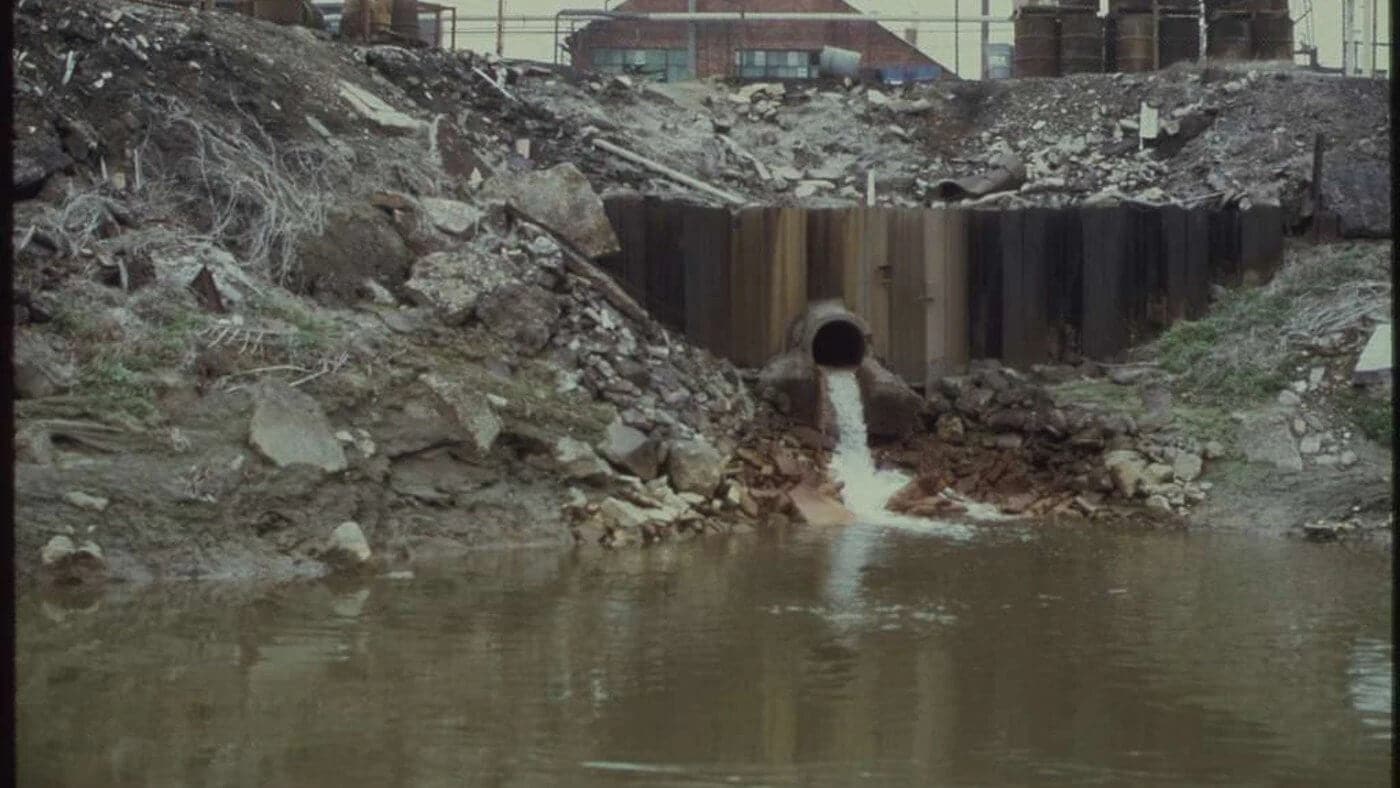 Harshaw Chemical Company discharging waste water into Cuyahoga River / Image Credit Natl Archives
According to EPA data, agricultural runoff is the leading cause of water quality impacts to rivers and streams in the United States. Only 28% of the country's rivers and streams are assessed as biologically healthy. PFAS — the "forever chemicals" — contaminate fish tissue in waterways across the country and drinking water sources for millions of Americans who have no knowledge of the exposure. About half a million tons of pesticides are applied annually to crops in the continental United States, with detectable pesticide concentrations found in stream water more than 90% of the time in agricultural and urban watersheds.
When an American looks at a river and hesitates, there is frequently a good reason. The water that ran through industrial towns carried heavy metals. The water downstream from factory farms carried nitrates and bacteria.
The water in Flint, Michigan carried lead. The rational response to generations of documented contamination is distrust - and once established, is not selective. It extends from drinking water to bathing water, from the tap to the stream, from the faucet to the therapeutic pool.
When people in America lose trust in water, that loss of trust is completely justified. More than trust is lost, people lose a relationship and experience that water is a healing remedy. In the renewal of the relationship and the renewal of American public's interest in therapeutic bathing, people are rebuilding that relationship almost from scratch.
The cultures that maintain healing relationships with water, accross wide swaths of the globe, also maintain, healthier relationships with water sources.
In America, water became industrial infrastructure, something to pipe, treat, use, and discharge and pollute. The consequences for both ecological and therapeutic possibility have been severe. However, people's trust in balneotherapy and water medicine are recovering slowly but surely.
What the Body Remembers
Marta, floating in Lukács Bath, on a gray November morning, does not think about any of this history. She thinks about the warmth moving up her spine. She thinks about the conversation she will have with her friend Katalin in the cooling room afterward.
But her body is doing something measurable while she floats. A systematic review of Hungarian clinical trials confirmed benefits across multiple conditions: pain with weight-bearing and at rest, inflammatory markers, and antioxidant status. This is not mysticism. It is more than relaxation. It is physiology.
The science exists. The gap is institutional. The gap is political will to call out the short comings of allopathic care only way. That means the path back to healing water is not primarily a scientific project. It is a civic one.
Coming Back to the Water
The signs of return are real, if scattered. Bathhouses are opening in American cities, rooftop plunge pools, Nordic-inspired spa circuits, hammam-style steam rooms in Brooklyn and Los Angeles and Chicago.
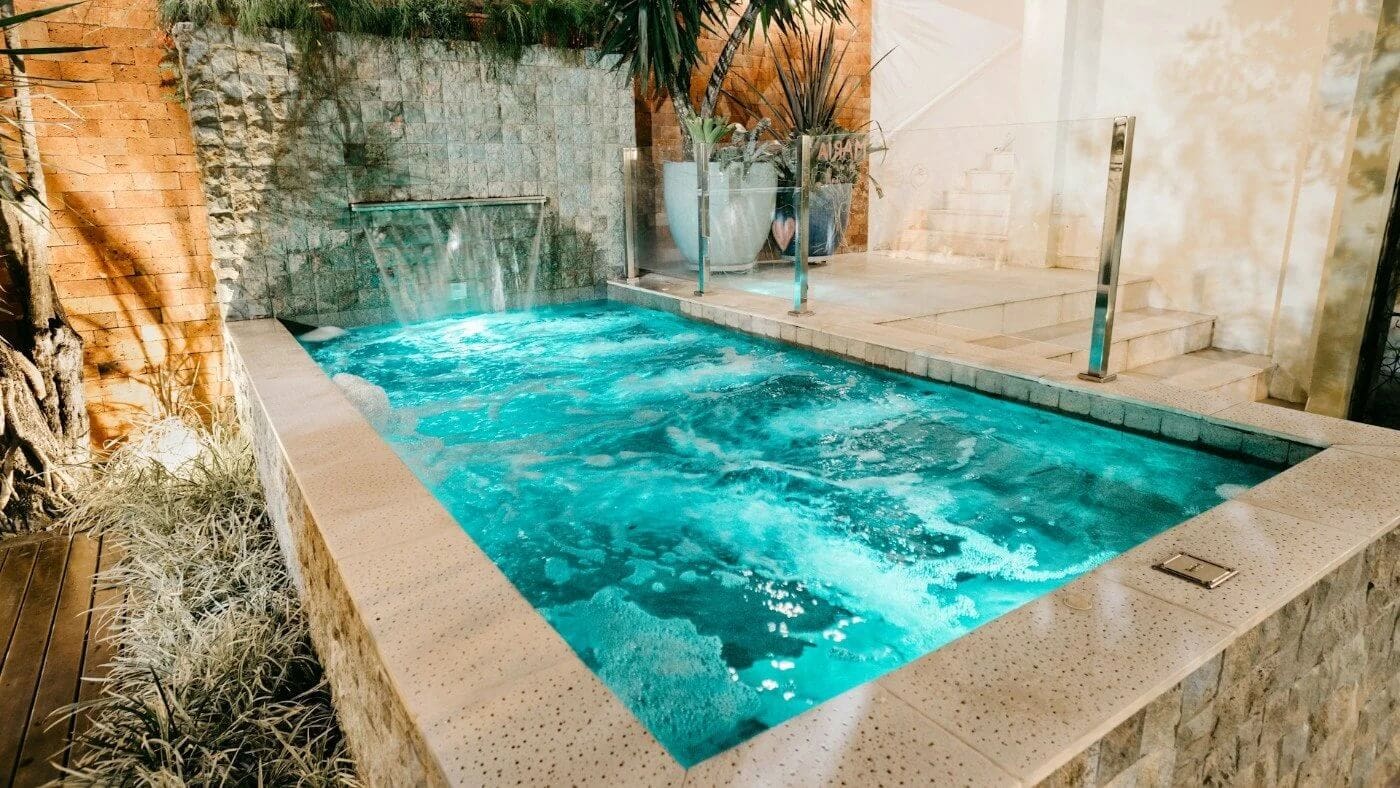 A Hydrotherapy bath plunge in USA / Image Credit Unsplash
The post-COVID fatigue crisis has made people newly open to non-pharmaceutical rehabilitation. The chronic pain epidemic — with opioid alternatives in desperate demand — is creating both need and willingness.
What is still missing is infrastructure. In Hungary, Marta pays six dollars. In America, a comparable experience costs sixty, or a hundred and twenty, and exists only in cities accessible to those who can afford leisure. The institutionalisation of healing water — the decision to make it public, subsidised, and medically integrated — requires acknowledging that something was deliberately dismantled. That the evidence supporting water as medicine was never refuted. It was suppressed. However, in the USA's allopathic heavy medical system, the evidence for water healing and the demand for balneotherapy is now re-emerging.
Back in Budapest, Marta is still there, on Tuesdays and Fridays, in the water that has been rising from the earth since before any of these arguments began. The springs have no opinion on the AMA. The minerals are indifferent to pharmaceutical lobbying. The body, given the chance, knows what to do in warm mineral waters.
It always has.
A Deeper Look At The Issue - Video
This short video helps to explain the AMA’s rise to dominance, tracing the systemic changes that dismantled traditional healing and established the modern allopathic medical industrial complex.
Related Articles
WATER Tower Style: The 5 Coolest WATER TOWERS on Earth
She almost didn't notice it. Maria Hernandez, a Chicago landscape architect who has spent fifteen...
America’s WATER UPRISING
Emily Marpe was standing in her driveway in Petersburgh, New York, when the health department called. She...
The Miracle of Water Birth: A Gentle, Natural Approach to Childbirth
The tub was just a tub, white fiberglass, warm water, a handheld showerhead propped against the rim....